
How to Keep Up With Every AI Update
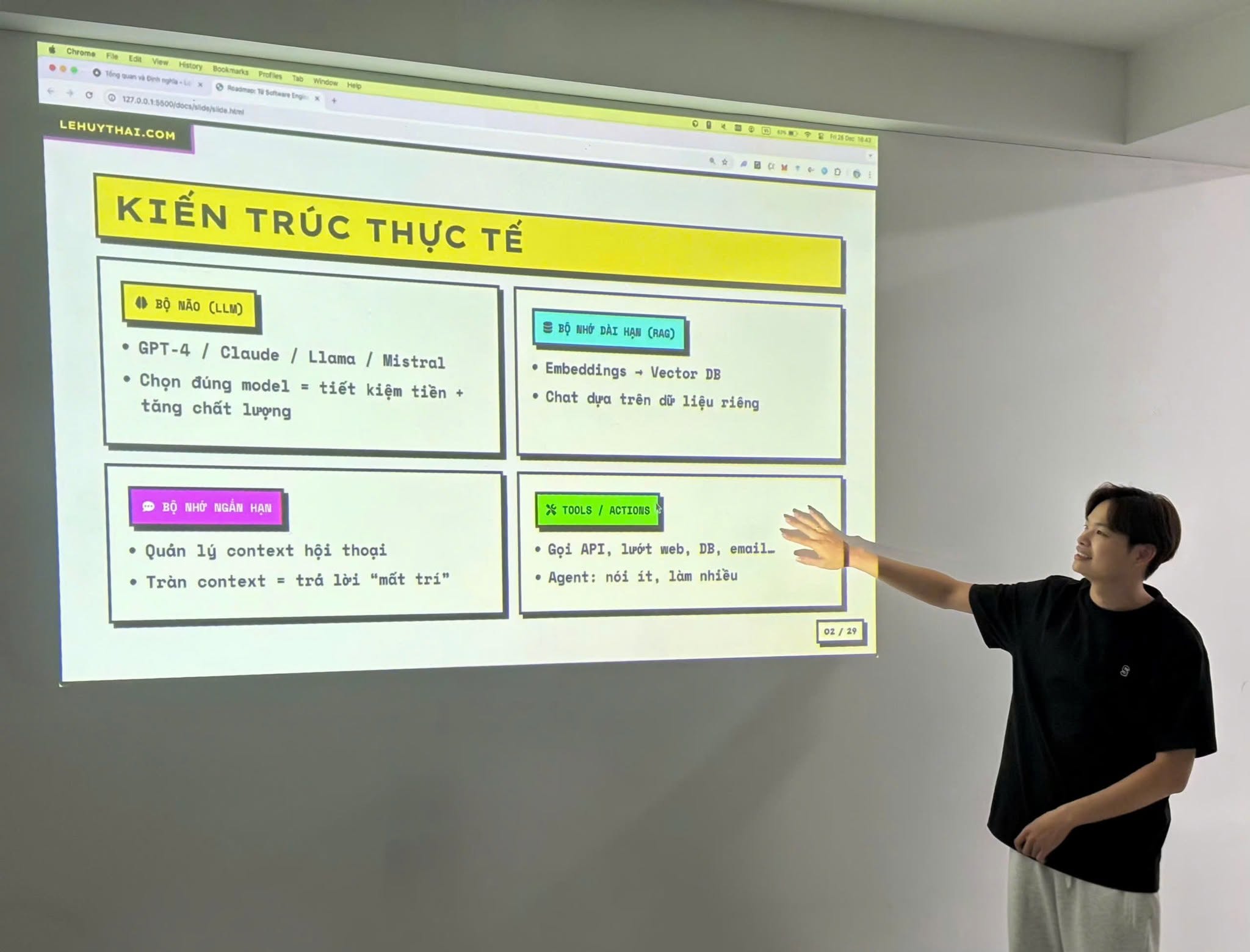
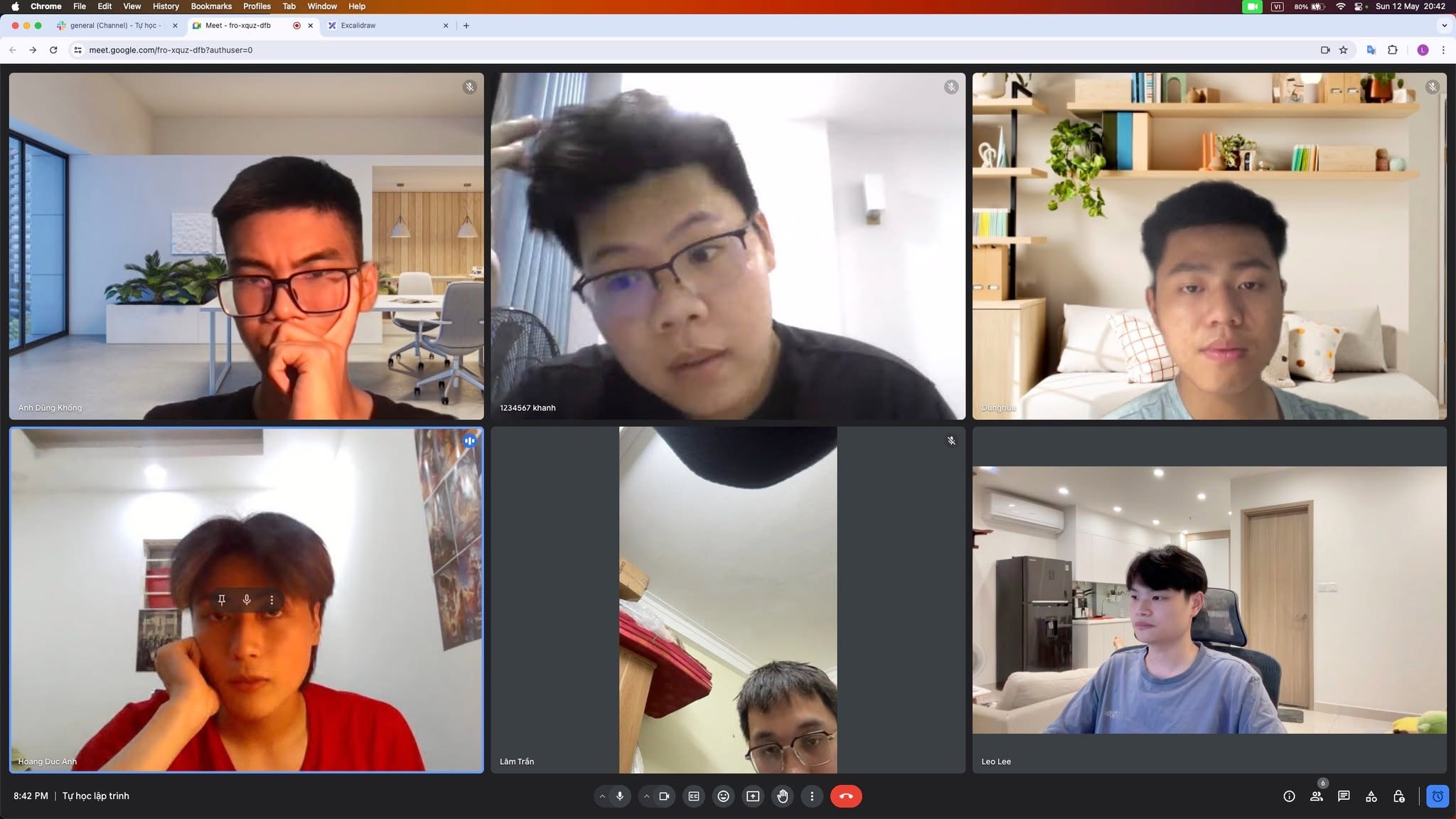
Yesterday I "met up" with a few top folks in the industry — Duy (Build In Public), Việt (200lab), Nguyện (Lập Trình Cuộc Sống). Here are the takeaways about this AI era, shared for everyone.
Some "gurus" reading this might not be thrilled, but there's no way around it 😅
1. You don't need 500 or 1,000 Skills
What you need are skills that solve your actual problem — not installing a ton "just in case," or believing that more skills automatically make your agent smarter.
Installing everything makes the AI heavy, skills step on each other's toes — and some even hide malicious logic inside. These days, slipping harmful logic into a Skill is far too easy.
Pros only use popular skills or ones they truly understand, and package the rest themselves. People who install "for peace of mind" often have no idea what they're actually installing.
→ Only install skills you really need, ones you've researched, or that an experienced person recommends/verifies.
2. A new trend every day — do you need it?
A few days ago you woke up to "Agent works 24/7 for me," the next day "Harness," then "Second Brain," then "GPT Image puts Designers out of a job"…
Great tech, not useless, with real applications — but a lot of it is wildly over-hyped.
Does it actually solve a problem of yours, and is that way better than your current/traditional solution?
If yes → go play. If not → skim it, remember a few keywords; when you actually hit that problem, coming back won't be too late. Tinkering out of genuine curiosity is great; tinkering out of fear of missing out, jumping from one thing to the next, is exhausting.
3. Humans are the real "hallucinators" (not LLMs)
Every day online is another stream of: "This is insane…", "Tool A completely changed industry B…", "In just 20 minutes…", "I built an AI company…", "I built 5 Agents working 24/7 for me…".
You can skip up to 80% of these. If you still want to read, the first 2–3 lines are enough — then skim the comments; often the critical replies are the valuable part.
Unlike point 2 (real value but over-hyped), this kind is often just noise. The good posts are genuinely great — real people, real applications; the rest are pure fluff, "counting chickens before they hatch," spreading panic.
→ If it's a real, credible person in a field you know — read it; anonymous "internet gurus," skip.
4. AI applications will settle back to real value
Nobody's raving about OpenClaw anymore (see how it goes). Born, exploded, the whole world talked about it, then cooled off. Not because it was bad — because it was hyped to death, so after a while it has to return to its real value. Whoever needs it, uses it; if it solves a problem, use it.
5. Why are you even saving that?
"Save these 5 prompts right now…", "I handed my Facebook to Claude, and here are 7 prompts…", "Designers are about to be jobless, here are 10 prompts…", "Unlock 100% of Claude's power with 20 prompts…".
You save the post, share it privately to practice "someday." But when exactly is "someday"?
- 01You save it
…but you might never open it.
- 02You open it
…but you might never actually try it.
- 03You try it
…but it might not solve any real problem of yours.
Are you doing this just so you don't feel left out of the game?
→ When you hit FOMO content, ask whether it applies to or solves a problem of yours. If yes, dig in; if not, move on.
That's just 5 points. There were 95 more, but the "meeting" got so deep I forgot them all 😆
Technology is for solving problems. Don't go hunting for a problem to fit a tool — find the tool for your problem.